Over 500,000 daily attacks are targeting the nation’s critical infrastructure, but authorities confirm the UAE’s digital borders remain 100 per cent secure
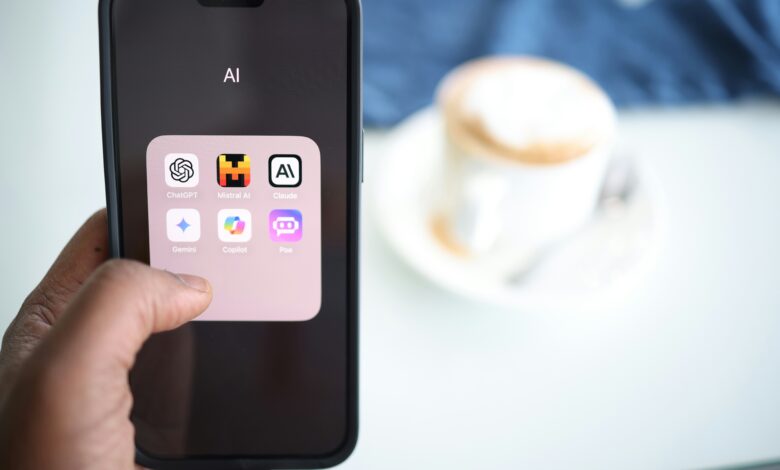
State-sponsored hackers linked to Iran are now using artificial intelligence tools like ChatGPT to launch highly sophisticated cyberattacks against the UAE, a top official has revealed.
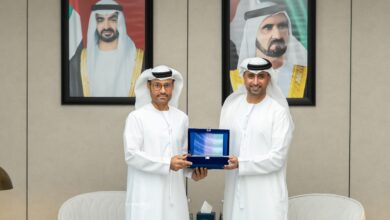
Speaking in Maraya podcast hosted by Sharjah Broadcasting Authority, Dr. Mohamed Al Kuwaiti, Head of Cyber Security for the UAE Government, explained that the nature of these threats has shifted dramatically from traditional espionage to AI-driven sabotage.
Hackers are now leveraging advanced AI models to write malicious code, identify system vulnerabilities, and craft highly convincing phishing emails designed to deploy ransomware and destructive “wiper” malware.
With the UAE facing upwards of 500,000 cyberattacks daily, authorities are warning that the integration of AI into the arsenals of state-sponsored actors and their proxies marks a dangerous new frontier in regional cybersecurity.
The AI-powered threat landscape
The UAE Cybersecurity Council has revealed that the volume of cyberattacks targeting the nation has doubled since the onset of recent regional crises, surging from an average of 250,000 to over 500,000 incidents per day. While the UAE successfully repels 100 per cent of these attacks against state infrastructure, the private sector remains a vulnerable target.
“The use of artificial intelligence in cyber warfare was previously non-existent, but today it is widespread,” Dr. Al Kuwaiti stated. “Hackers are using AI, including ChatGPT and WormGPT, to program viruses, write malicious code, and find vulnerabilities in our infrastructure.”
Dr. Al Kuwaiti noted that phishing emails, once easily identifiable by poor grammar, are now flawlessly written using AI. These emails often exploit current events to trick users into clicking malicious links, which then deploy ransomware or “wiper” malware — a destructive virus designed to permanently delete databases rather than steal them.
“Imagine a wiper virus infiltrating the unified national registry or hospital databases,” Dr. Al Kuwaiti warned. “It doesn’t just steal data; it erases it completely. We have seen instances where private institutions were targeted by such complex, AI-driven wiper attacks that managed to reach even their backup servers.”
The dark web and proxy networks
The source of these attacks is rarely a direct state action. Instead, Dr. Al Kuwaiti explained that Iran operates through a complex network of over 40 proxy organisations and sympathisers. Because internet access within Iran is heavily restricted, these syndicates operate from various global locations, utilising cloud computing infrastructure under assumed identities.
Much of this illicit activity is coordinated on the dark web. “The dark web is one of the most important platforms used by the Iranian side today,” Dr. Al Kuwaiti noted. “It is a hidden world where these proxy networks buy, sell, and rent hacking tools, trade in cryptocurrencies like Bitcoin, and leak fabricated or stolen data to damage the reputation of targeted institutions.”
Ideological warfare and targeting the youth
Beyond infrastructure, the cyber war has a deeply ideological component aimed at the UAE’s youth. Dr. Al Kuwaiti highlighted alarming instances of “cyber terrorism” occurring within popular online multiplayer games like Roblox.
In one disturbing example, extremists created a virtual replica of the Holy Kaaba in Mecca and simulated its destruction by Western forces. The goal was to manipulate young players into sympathising with Iran and radicalising them against the state.
“They are spreading messages telling children that they alone can change the world, encouraging them to carry out ‘lone wolf’ attacks,” Dr. Al Kuwaiti revealed. “This is ideological warfare. They are trying to instill a deviant ideology in our youth, which is why raising awareness and reinforcing our national values is our first line of defence.”
The UAE’s counter-offensive
Despite the escalating threat, the UAE remains a global fortress in digital security. Ranked number one globally in cybersecurity by the United Nations and the International Telecommunication Union (ITU), the nation has deployed its own advanced AI systems to counter these threats.
“While the enemy uses AI for malicious purposes, we use it for protection, deterrence, and recovery,” Dr. Al Kuwaiti affirmed. The UAE’s national AI agents can process and neutralise the daily barrage of 500,000 attacks — a task impossible for human operators alone.
Furthermore, the UAE Cybersecurity Council issues over 200 daily threat intelligence bulletins to government and private sector partners, ensuring that if one entity is targeted, the entire national network is immediately inoculated against the specific attack pattern.
“Our cyber space is 100 per cent secure,” Dr. Al Kuwaiti said , offering a message of reassurance to the public. “We are constantly competing with ourselves to remain number one, and our cybersecurity model is now being adopted by over 25 countries worldwide.”
Source: Khaleejtimes