The move aims to give younger children more time for rest, play, family interaction and reading
As part of school readiness measures for the 2026 2027 academic year, traditional homework will be cancelled for students in public schools from kindergarten through Grade 2.
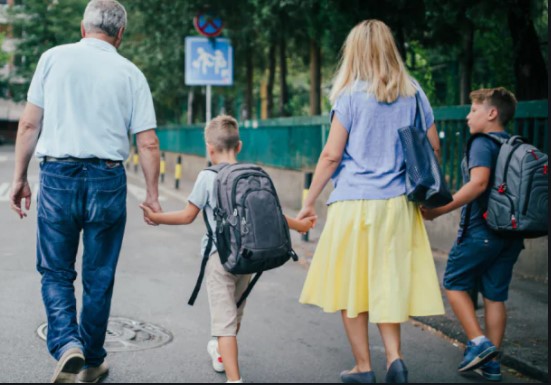
The move aims to give younger children more time for rest, play, family interaction and reading, while ensuring that core learning takes place in a structured and supportive classroom setting.
Officials said during a media briefing that the approach recognises the developmental needs of early learners and seeks to reduce unnecessary pressure on children and parents.
Schools will instead focus on building literacy, communication and foundational skills through engaging in-school activities, with families encouraged to maintain simple daily reading routines at home.
The ministry has also updated the assessment approach for Cycle 2 students in Group A subjects. School based assessments will carry a 50 per cent weight, while central assessments will account for the remaining 50 per cent.
Teachers and school staff will also administer diagnostic assessments to identify learning gaps early and tailor support, intervention and reading plans to students’ needs.
Project-based learning and assessment will be expanded as well. A new integrated project for Grade 7 will bring together Arabic, English, mathematics and science, helping students connect subjects and apply knowledge in practice. The programme will be implemented in 366 schools and is expected to reach around 29,000 students.
The ministry will additionally launch a 100 per cent evaluation of government schools and ministry-licensed private schools. The process, which begins in the first term and will continue over the next two academic years, is intended to measure institutional and educational quality against national standards, identify areas of excellence and improvement, and help schools develop sustainable improvement plans.
Sarah bint Yousef Al Amiri, the Minister of Education said the priority remains the experience that every student receives in the classroom. She stressed that families, teachers, schools and the wider community all have a central role in building students’ awareness, character and ambition.
Source: Khaleejtimes