
As online gaming becomes part of childhood earlier than ever, Roblox is forcing a harder conversation: when a platform looks playful on the surface, how much of the safety burden is still falling on parents?
As a mother to a 7 year old boy who is already drawn to video games, Roblox is one platform I have intentionally kept out of reach. Yet it still feels close. The platform is immensely popular with kids in the UAE, and his friends enthusitically discuss their games in class. They are just kids in year 2. This in itself is enough to make any parent pause, especially because how young kids are when they are discovering or being introduced to the platform.
With Roblox facing growing scrutiny over child safety, harmful exposure and the broader question of what children are really stepping into when they log on, I wanted to look deeper – not only at the platform, but at the burden now falling on parents trying to make sense of it.
Roblox is often spoken about as though it were a single game. It is not. It is a user-generated gaming and creation platform where players can move across millions of different experiences, from obstacle courses and role-play worlds to social hangouts and interactive digital spaces. That scale is part of its appeal, especially for younger users. It is also what makes it harder for parents to assess at a glance. Children are not simply logging on to play. They are often entering a live environment shaped by other users, chat features and constant interaction.
That is why the latest scrutiny around Roblox has landed so sharply. In February 2026, Australia sought an urgent meeting with the company after reports of child grooming and graphic content on the platform. The pressure has not come from one source alone. It has been fuelled by regulatory concern, investigative reporting and wider questions about whether fast-growing gaming platforms are designing for child safety from the outset, or still asking families to manage too much of the risk after the fact.
Roblox has responded with stronger safeguards, including keeping minor accounts private, restrictions on direct messaging for users under 13, tighter default chat settings and new age checks for communication features. While those changes matter, they have not really ended the wider debate; Are Roblox’s safety measures truly proactive enough for a child-heavy social platform, or whether parents are still being left to manage too much of the risk themselves.
For many parents in the UAE, the issue is no longer whether a platform like Roblox can be fun. It clearly can. The harder question is what sits behind that fun, and whether adults are really equipped for the pace at which these spaces evolve.

Chris Fernando, a promiment technology editor and father of two boys aged 16 and 13, puts it well. “Platforms like Roblox aren’t really ‘games’ anymore – they’re social worlds,” he said, “which is what makes them “both wonderful and genuinely unsettling as a parent.” His concern is not one single threat, but how different risks blend together inside an environment that looks harmless. “Inappropriate content doesn’t always announce itself – it creeps in. Talking to strangers feels natural because the game is designed around it. And the hours disappear because the experience is built to be immersive.”

That feeling of unease is echoed by Riza Jonsson, mom to an 8 year old boy, who said her concern goes beyond the obvious risks of strangers or inappropriate material. “What worries me most about my child using platforms like Roblox isn’t just one thing; it’s a mix,” she said. “What troubles me just as much are the effects that are less visible in the moment: sleep disruption, shorter attention spans and the emotional spillover that follows long stretches inside digital worlds. Kids can get so absorbed that it sometimes feels like their mood depends on what happens in a digital world, not the real one.”
This sentiment gets to the heart of why this conversation has become more serious.
The issue is not only what children may encounter on screen. It is also what those environments begin to shape over time – mood, habits, trust and behaviour.

Dr. Sneha John, licensed psychologist at Medcare Camali Clinic Jumeirah, said unsafe or excessive gaming environments can have a meaningful effect on emotional and psychological development, especially for younger children still building judgment, impulse control and a sense of safety. “Exposure to unmoderated spaces, bullying, toxic language or inappropriate contact can increase anxiety, fear and emotional dysregulation, while excessive gaming can also affect sleep, attention, school engagement and offline social development. In her view, the strongest warning sign is often not the number of hours alone, but a noticeable shift in the child’s usual behaviour,” she said.
Parents, in other words, are not imagining the pressure. Many are adjusting in real time.
Fernando said he quickly realised that “setting a timer and calling it a day wasn’t enough.” His approach has shifted away from simple restriction and toward closer understanding. “It’s not just how long my child is playing – it’s what they’re engaging with, who they’re talking to, and how those conversations develop over time.” More importantly, he said, the tone at home has changed too. “It’s less about setting limits and more about learning to navigate it together.”
Jonsson too described a similar change in more practical terms. “Casual screen time has become something closer to active oversight: the screen in sight, the audio audible, chats more visible, limits more deliberate,” she says. She has introduced device-free days and stricter time controls not to punish her child, but to create space for boredom, creativity and reset. Her frustration is that even with parental controls and reporting tools, “most of the time it still feels like parents are doing the heavy lifting.”
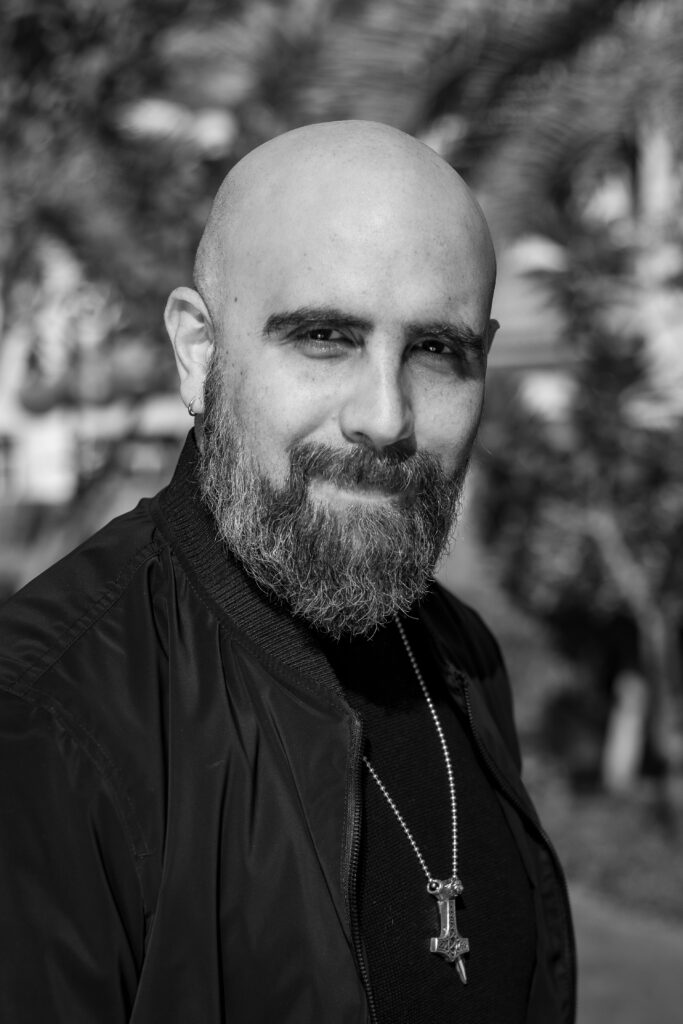
Mousa Nimer, a father of two children aged 12, and 5, and a gamer himself, brings a useful counterweight to the conversation because he resists both panic and complacency. When his son first came to him about Roblox, he said his instinct was not to immediately say yes or no, but to understand it properly.
What he found was “genuinely impressive” in terms of creativity and potential. But he was also troubled by the platform’s openness at the time. “There were no meaningful restrictions, which meant my 10-year-old, at the time, could be in a conversation with someone who was 14, 25 or 40. For a platform used by both children and adults, that was a fundamental problem.” He also pointed to another issue many parents overlook: advertising exposure can shift when children access games built for older audiences.
His response at home was not to tighten every screw, but to create structure without turning gaming into something forbidden. “I never really approached it as monitoring. I approached it as psychology,” he said. Over time, that meant building a routine and helping his children become more thoughtful about what they play and how long they spend with it. “That kind of judgment is worth more than any parental control setting.”
That may be the most honest takeaway from this conversation. Gaming is not inherently the problem. Nor is Roblox under scrutiny because children enjoy building, creating and playing online. The pressure is coming from the gap between what these platforms have become and what many adults still assume they are.
Fernando acknowledged that platforms have made progress, but his broader point remains hard to ignore: “The safety measures that exist tend to respond to problems rather than prevent them.” Right now, he said, parents are still “the last line of defence.”
For Dr. John, that makes the parental response even more important when something does go wrong. Stay calm. Validate what the child has shared. Report the content or contact. Tighten privacy settings. Watch for emotional fallout. The first reaction, she said, can shape whether a child feels safe enough to keep speaking up.
Roblox had 151.5 million daily active users in the third quarter of 2025, according to Reuters. At that scale, this is no longer a niche parenting concern. It is part of a much wider question about digital childhood, emotional wellbeing and how much invisible labour parents are expected to absorb just to let their children play.