Major developments we’re monitoring:
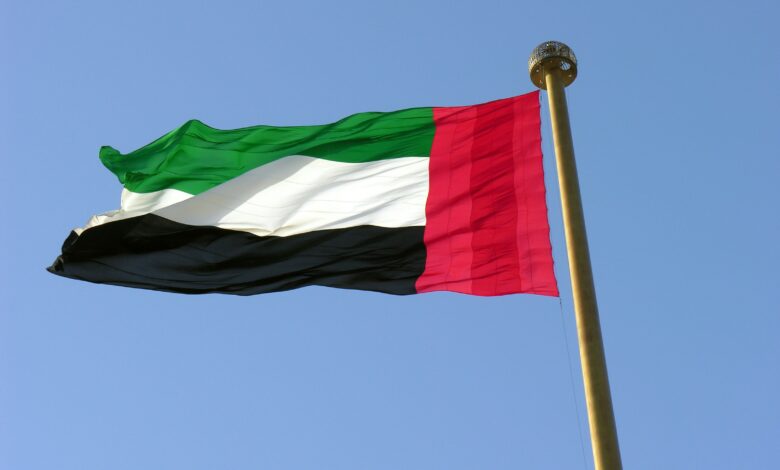
- The United Arab Emirates announced Tuesday that it will leave OPEC effective May 1, stripping the oil cartel of one of its largest producers. While the announcement doesn’t change anything regarding the blockage of the Strait of Hormuz, it could help lower oil prices after the war if the UAE increases its production capacity. Brent crude oil traded over 50% higher than its prewar price.
- The U.S. military said Tuesday in a social media post that it boarded and released a commercial ship in the Arabian Sea east of the Strait of Hormuz that was suspected of heading for Iran. The command said it has now redirected 39 vessels since start of the blockade on ships going to and from Iranian ports.
- Iran offered to end its chokehold on the Strait if the U.S. lifts its blockade on the country and ends the war in a proposal that would postpone discussions on the Islamic Republic’s nuclear program, two regional officials said Monday. U.S. President Donald Trump seems unlikely to accept the offer, and U.S. Secretary of State Marco Rubio appeared to rule out any deal that excludes Iran’s nuclear program.
- Since the war began, at least 3,375 people have been killed in Iran and over 2,500 people in Lebanon amid fighting between Israel and the Iran-backed Hezbollah militant group. Another 23 have been killed in Israel. The toll in Lebanon also includes 16 Israeli soldiers and six U.N. peacekeepers. Across the region, 13 U.S. service members have been killed, along with at least 10 crew members on ships and more than a dozen people in Gulf Arab states.