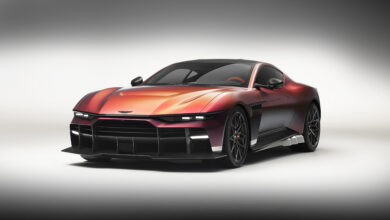
As fuel prices hit an all-time high globally, consumers in the UAE are feeling its impact on their daily lives too. Apart from the subsequent price increase in the overall cost of living, consumers are having to shell out almost double the cost for fuel, as compared to last year. Automobile industry officials claim that as new brands enter the UAE, more and more drivers, particularly those who frequently travel between different emirates, are considering moving to hybrid or electric vehicles to combat the rising fuel prices.
CEO of New Auto, Belal Nasr, stated how cost-effective EVs are in light of the rising oil costs in the United Arab Emirates. “We can pay the same amount in monthly instalments for the new electric vehicle rather than shelling out Dh2,000 for fuel. In addition, banks are giving electric car owners highly appealing financing rates, and the government supports the usage of electric vehicles “Nasr stated.
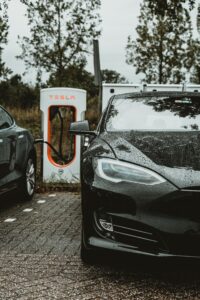
Karan Chechi, Director at TechSci Research states that the growth in demand for EV’s can be attributed to rising fuel prices, as fuel prices in the country hit record high of AED 4.00 per litre in June, registering 56% growth from January 2022 prices – this cost is likely to rise.
According to a recent survey commissioned by Audi Abu Dhabi, about 52 per cent of UAE residents are considering a switch to hybrid or electric motoring as the increase in fuel prices comes to bear on the way consumers think about transport. The survey polled 1,000 UAE residents, and twenty-five per cent of respondents said that are waiting for more EV options to be launched before buying.
“Interest in EVs has continued to grow organically over time. However, increasing petrol prices have certainly accelerated the shift in consumers’ attitude towards EV adoption,” said Mark Austin, Audi Abu Dhabi general manager. “When considering energy efficiency across the full life cycle of producing, transporting and using fuel – typically referred to as “well to wheel” – electric vehicles offer high efficiency and the lowest carbon emissions per mile.”
“Depending on the type of car you drive, the average cost of filling a fuel tank can be upwards of AED 270 versus AED 8.25 to fully charge an EV battery with a 110 kWh charger. With electric vehicles, owners also save on operating expenses,” Austin added.
In these conditions, adopting electric vehicles seems to be the proper move in line with the UAE’s 2021 sustainability agenda. It will not only help achieve sustainability objectives and the mission, but it will also present an opportunity to lower monthly costs and enhance the standard of living.
Two out of every five consumers intend to choose electric vehicle engines for future car purchases, according to the Consumer Plus Study Report by GfK, even if the adoption of electric/hybrid vehicles is still in its infancy. In the face of widespread upheaval, increased economic strain, and newly accepted consumer choices and behaviours, consumers in the MENA area are adjusting to and recovering from a new consumerism order. Consumer spending reflects this, as the MENA area has the strongest technical goods market growth globally, according to Nacho San Martin, managing director of GfK’s Middle East division.
Globally, customers have adapted to a sustainable lifestyle that includes using vehicles, scooters, and bikes that are environmentally friendly. RTA in the UAE intends to eliminate emissions from public transportation by 2050. With the UAE government’s strong backing, environmentally friendly motors are steadily growing stronger and carving out a niche in the road and transportation industries.
In addition to producing its own electric vehicles, the UAE’s Roads and Transport Authority (RTA) offers services like lower charges (around 2 fils) for charging electric vehicles at the stations in addition to benefits such as free parking, lower registration fees, and free SALIK tags.
For car owners, an electric vehicle offers a slew of benefits, including low maintenance costs and nearly zero fuel costs. The UAE’s electric vehicle market is expected to display an upward trend, in line with the forecast in the global industry, according to a study on electric vehicles and their penetration in the region. The goal of having 30 percent electric vehicles on the road by 2030 will be accelerated and help achieve carbon reduction goals.