‘Not another Covid-19’: UAE Doctors Allay Hantavirus Fears, explain Low Spread Risk

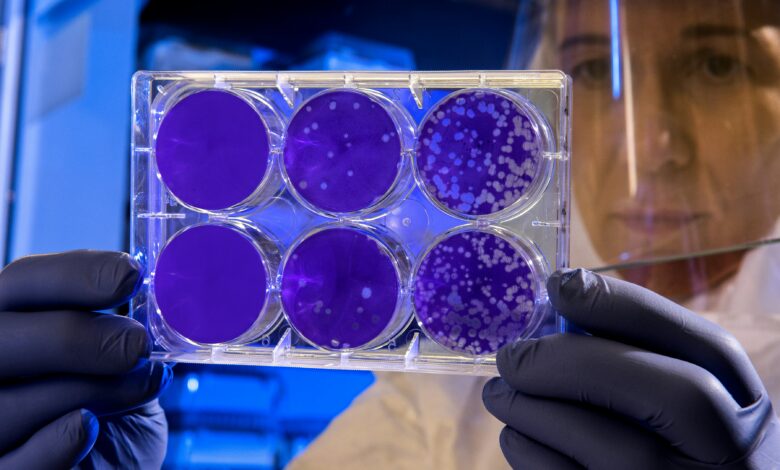
Doctors say hantavirus spreads very differently from Covid-19, with infections mainly linked to rodent exposure in dusty or poorly ventilated spaces
Following the news around hantavirus and discussions on social media, doctors in the UAE are reassuring residents that the virus is not easily spread between people and behaves very differently from Covid-19.
UAE authorities, including the National Emergency Crisis and Disaster Management Authority (NCEMA) and Ministry of Health and Prevention (MoHAP), have also said the country is fully prepared to deal with potential health threats while continuing to monitor the situation closely.
Healthcare experts told Khaleej Times that while hantavirus infections can be serious, the virus remains rare and is mainly linked to contact with infected rodents and contaminated environments rather than everyday social interaction.
Hantavirus is a group of viruses that naturally infect rodents and can occasionally spread to humans.
According to Dr Srinivasa Rao Polumuru, consultant internal medicine at NMC Specialty Hospital, Al Nahda, Dubai, people mainly get infected after coming into contact with rodent urine, droppings or saliva, especially in dusty or poorly ventilated areas.
“Hantavirus usually spreads from rodents to humans. People mainly get infected by breathing in particles contaminated with rodent urine, droppings or saliva, or by touching contaminated surfaces and then touching the face,” he said.

Is hantavirus another Covid-19?
Doctors stressed that this is one of the biggest misconceptions currently surrounding the virus. “Hantavirus does not behave like Covid-19 in terms of contagiousness or pandemic potential,” said Dr Srinivasa.
Unlike Covid-19, which spreads easily from person to person through the air, hantavirus transmission between humans is rare.
“One major misconception is that hantavirus spreads easily from person to person. In most types, transmission mainly occurs from rodents to humans, not through casual human contact,” said Dr Muhammed Aslam, specialist pulmonologist at International Modern Hospital Dubai.
Doctors explained that limited human-to-human transmission has only been documented in specific strains reported in parts of South America.

Who is most at risk?
According to doctors, the overall public risk in the UAE remains low because most reported cases worldwide are linked to specific environmental exposure.
Dr Aslam said higher-risk environments are usually closed or poorly ventilated areas such as abandoned buildings, warehouses, farms, storage rooms and places with rodent infestation.
“For ordinary city residents, the overall risk remains low, but exposure can still happen during cleaning of neglected spaces, construction work or areas with rodent activity,” he added.
Doctors also said that hantavirus is not known to spread easily in places such as offices, schools, shopping malls or public transport.
What symptoms should people watch for?
Doctors said early symptoms can resemble common viral illnesses.
These may include:
- Fever
- Fatigue
- Body aches
- Headaches
- Chills
- Nausea
- Abdominal discomfort
In more serious cases, people may develop coughing and breathing difficulties.
Dr Srinivasa advised residents returning from high-risk areas or engaging in outdoor or rural activities abroad to seek medical attention if symptoms appear.
“Since the early symptoms can resemble many viral infections, informing doctors about recent travel or environmental exposure is very important,” he said.
What precautions should residents take?
Doctors stressed that awareness and simple precautions are more important than fear.
Residents cleaning dusty or closed spaces were advised to:
- Ventilate rooms before cleaning
- Avoid sweeping dry dust
- Use gloves and masks when necessary
- Disinfect surfaces before wiping
- Maintain proper hygiene and pest control
“Hantavirus is primarily an environmentally acquired infection linked to rodent exposure,” said Dr Srinivasa. “People should stay aware, but there is no reason to panic.”
Source: Khaleejtimes