As AI adoption accelerates, sovereignty mandates tighten, and cyber threats evolve, enterprises across the Middle East are rethinking storage from the ground up.
The data storage conversation in the Gulf has changed beyond recognition. What was once a back-office discussion about capacity and cost has become a strategic boardroom priority — shaped by the explosive growth of AI workloads, tightening data sovereignty regulations, heightened cyber risk, and one of the most ambitious data centre build-outs the world has ever seen.
Across the GCC, governments and enterprises are investing at a pace that reflects the scale of the opportunity. According to a report from PWC, data centre capacity in the Middle East is projected to triple from 1GW in 2025 to 3.3GW over the next five years.
Billions of dollars in commitments from global hyperscalers alongside homegrown champions like Khazna, Tonomus, and G42 are transforming the region into a credible global hub for digital infrastructure.
But beneath the headline investments, a deeper shift is underway in how organisations think about, architect, and secure the storage that underpins it all.
From Capacity-First to Capability-First
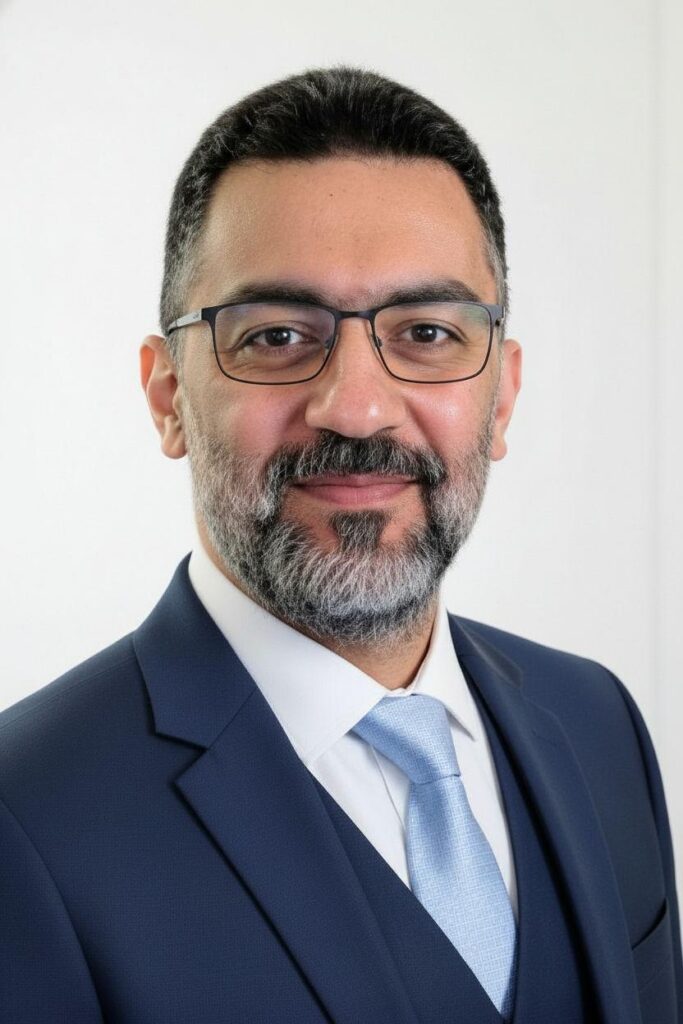
The most fundamental change, according to industry leaders, is a move away from treating storage as a volume problem. Khalid Aljamed, General Manager for the Middle East, Turkey and Africa at Submer, puts it bluntly: “We have moved from a capacity-first mindset to one of capability-first. In 2026, storage is no longer just about where data lives; it is about the speed at which it transforms into intelligence.”
Aljamed points to the rise of what he calls “AI Factories” – integrated ecosystems purpose-built for the massive throughput demands of next-generation silicon from the likes of Nvidia and AMD. “Driven by national agendas like Dubai’s D33, we are seeing organisations invest in local, resilient stacks to ensure long-term autonomy and competitive scale,” he says.
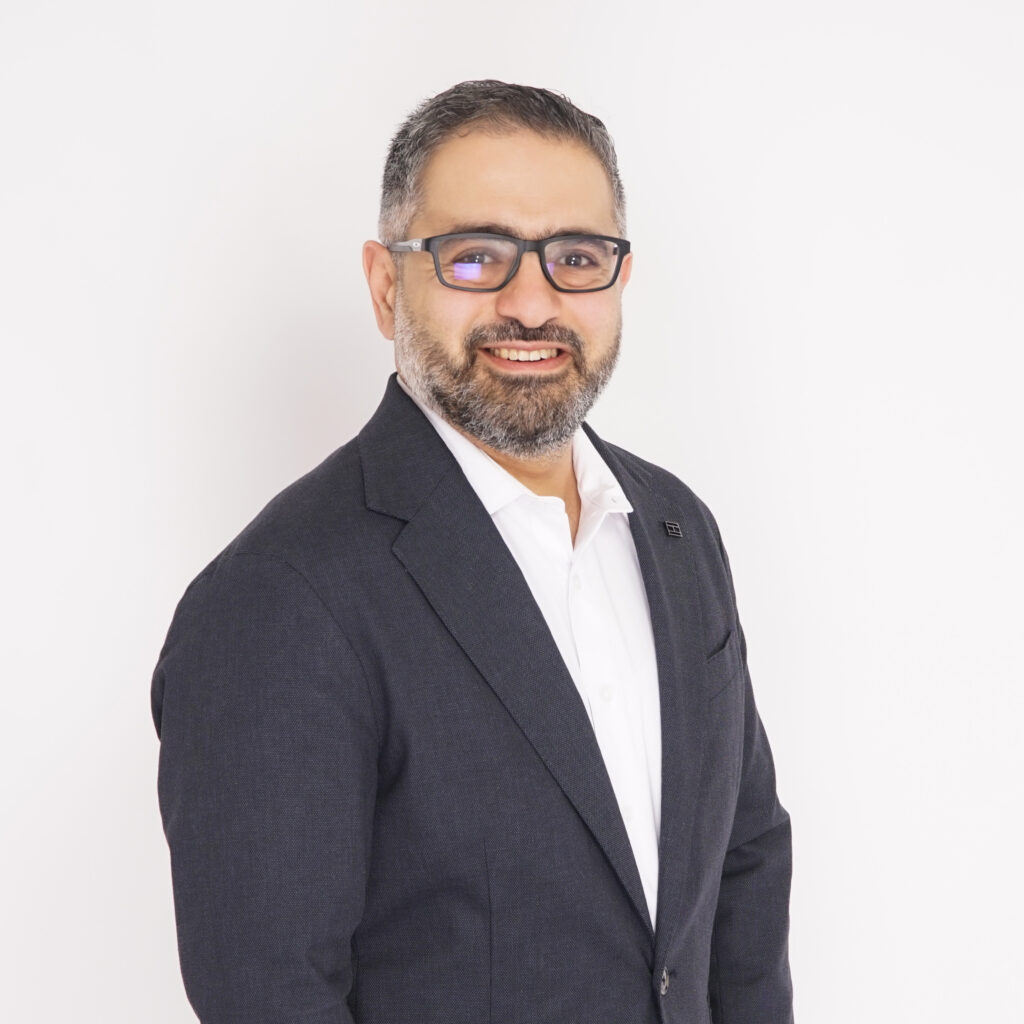
Dr Tamer Mohamed, Chair, Department of Computer Engineering and Computational Sciences and Assistant Professor of Computer Science School of Engineering, Applied Science and Technology of Canadian University Dubai echoes this shift. He notes that storage has evolved from an operational concern to a strategic enabler of digital transformation. “Organisations across the GCC are increasingly adopting hybrid and multi-cloud models, while also investing in regional data infrastructure to improve performance, scalability, and compliance,” he says. He highlights the Stargate UAE project, the large-scale AI data centre initiative in Abu Dhabi, developed in collaboration with OpenAI, Nvidia, and Oracle, as a clear signal that “storage is now being shaped at a national level, aligned with long-term economic diversification and digital economy goals.”
AI: The Primary Architect of the Modern Data Centre
If there is a single force driving the storage conversation today, it is artificial intelligence. But the nature of that conversation has matured significantly.
“AI is the primary architect of the modern data centre, but the conversation has matured into a distinction between Training and Inference,” explains Aljamed. Training large models demands centralised, high-density compute clusters. Inference, the process of running those models in production, is fuelling a parallel wave of modernisation across existing facilities. “This dual demand has pushed us into a thermal wall where air cooling can no longer dissipate the heat of high-TDP silicon,” he says. “If you cannot solve the physical density challenge at the rack level, you essentially cap the performance of your AI investment.”
Dr Mohamed reinforces that AI is now a primary driver of storage strategy well beyond just capacity. “Organisations require high-performance, low-latency, and highly scalable storage architectures to support data-intensive AI workloads, including training large models and real-time inference,” he says, adding that this transformation also carries a talent imperative. “At Canadian University Dubai, we are aligning our programmes accordingly, launching AI and cloud computing programmes focused on AI-enabled infrastructure, modern enterprise systems, and the skills required to support this rapidly evolving landscape.”

The security implications of AI-driven storage are equally consequential. Ram Narayanan, Country Manager for the Middle East at Check Point Software Technologies, warns that when AI systems or AI data are compromised, the operational impact can be substantial. “Organisations need incident response and recovery plans tailored to AI-dependent environments,” he says. “Data poisoning, model manipulation, or unauthorised access can directly affect decision-making, trust, and compliance. That pushes storage even closer to the centre of business risk, where recovery is not just about restoring systems, but about restoring confidence.”
Data Sovereignty: From Compliance Box to Strategic Imperative
Data sovereignty has shifted from a regulatory checkbox to a pillar of national strategy across the GCC. The UAE’s Personal Data Protection Law, Saudi Arabia’s Cloud Computing Regulatory Framework, and the distinct regimes operating within financial free zones like the DIFC and ADGM have created a layered compliance landscape that directly shapes storage architecture decisions.
“For GCC leaders, it is no longer just about where data sits, but who controls the silicon and power running the models,” says Aljamed. He points to the development of what he terms “Sovereign Super-Clusters” – purpose-built environments for homegrown models like the UAE’s Falcon or Jais, where the most sensitive national data remains within borders. “This creates a physical challenge: running high-density clusters in our climate without an unsustainable energy footprint. We view sovereignty as a physical foundation, by enabling high-density pods to run efficiently on-prem, we ensure digital independence isn’t limited by the environment.”
Dr Mohamed notes that regulations such as the UAE PDPL require organisations to carefully manage personal data and, in many cases, restrict cross-border data transfers unless adequate protections are in place. “As a result, organisations are increasingly selecting cloud solutions that offer local data residency, sovereign cloud options, and stronger governance controls to ensure compliance while maintaining operational flexibility,” he says.
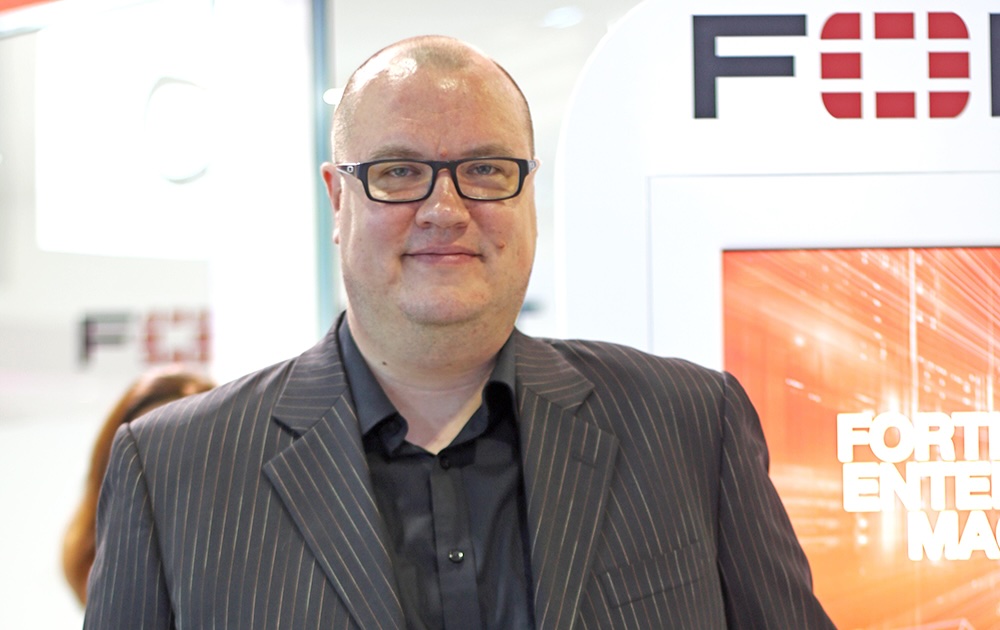
The tension between sovereignty and resilience has been thrown into sharp relief by recent events. Kalle Bjorn, Senior Director of Systems Engineering for the Middle East at Fortinet, observes that disruptions to data centres, cloud availability zones, and even cross-border connectivity are no longer theoretical. “This has pushed organisations to prioritise geo-redundancy and multi-region architectures, ensuring that critical applications remain accessible even if an entire site or location goes offline,” he says. “In some cases, business continuity is taking precedence over data sovereignty, with workloads being moved to more stable regions to maintain operations.”
Cyber Resilience: Storage Moves to the Front Line
If sovereignty is reshaping where data lives, cyber resilience is redefining how it is protected. The era of treating backup as a standalone insurance policy is over.
“Cyber resilience has changed the storage conversation in a very real way,” says Narayanan. “Businesses are no longer asking only how much data they can store or how cheaply. They are asking whether critical data can be recovered quickly, whether backups can be tampered with, and whether continuity plans will hold during a live cyber incident.” He stresses that the strongest recovery strategy starts with strong prevention, continuous protection of storage and backup environments is now an essential part of resilience planning, not an optional add-on.
“In AI-driven environments, organisations must be confident that recovered data and models are accurate, uncompromised, and fit for decision-making, not simply available,” Narayanan adds. “Cyber resilience is about preventing compromise wherever possible and restoring trusted data and AI-driven operations quickly when incidents do occur.”
Bjorn at Fortinet agrees that businesses are now planning for far more extreme scenarios. “Companies are moving past basic backups and taking a more holistic view, looking at how isolated their backups are, how quickly systems can be restored, and whether recovery plans have been tested under real-world conditions,” he says. “Storage is now being evaluated on its ability to support continuous operations, not just long-term retention. Resilience today means ensuring the business can keep running, even in the face of large-scale disruption.”
For Aljamed, resilience has evolved from “backup and restore” into what he calls Continuous Service Availability. “For those running massive AI training models, a disruption means losing weeks of expensive compute time. For real-time HPC or inference at the edge, resilience is about low-latency continuity,” he explains. “We are adopting Resilience by Design, treating the physical infrastructure and storage layer as a single hardened entity.”
The Road Ahead: Intelligence Per Watt
Looking twelve to twenty-four months out, the experts converge on a common theme: the winning storage strategy will be defined not by scale alone, but by efficiency, adaptability, and trust.
Dr Mohamed sees the future shaped by a convergence of cloud adoption, AI readiness, cyber resilience, and regulatory compliance. “Over the next two years, we will see a clear shift toward cloud-centric architectures that provide scalability, flexibility, and alignment with the region’s rapid digital transformation,” he says. “We could witness more strategic initiatives to host local AI data centres in the Middle East, following the UAE’s leading steps with projects like Stargate.”
Aljamed frames the coming era in terms of what he calls a “Workload-First” approach. “While one-gigawatt projects grab headlines, the reality for most enterprises is upgrading legacy facilities to handle the power profiles of next-generation silicon,” he says. “Success will be measured by Intelligence per Watt – the winning strategy will be the one that scales current infrastructure to meet high-density requirements without a total rebuild.”
The message from across the industry is clear: in the GCC’s rapidly evolving digital economy, storage is no longer infrastructure that sits quietly in the background. It is the foundation on which AI ambitions, sovereignty goals, and cyber resilience strategies are built – and getting it right has never mattered more.